
Introduction: Understanding the Power of Repetition in Spiritual Growth
Repetition is a fundamental element in both personal development and spiritual evolution. It serves as a mechanism that helps individuals internalize lessons, deepen understanding, and foster transformation. From the rhythmic chanting of ancient mantras to modern meditation routines, repeated practices act as catalysts for connecting with deeper layers of consciousness.
Throughout history, cycles of renewal—such as seasons, lunar phases, and life-death-rebirth patterns—have symbolized the ongoing nature of existence. These cycles reflect a universal truth: renewal often emerges from what appears to be destruction or stagnation. Recognizing these patterns enables us to navigate life’s inevitable changes with resilience and awareness.
This article explores how repetition and cycles of renewal are embedded within various spiritual traditions, their symbolic representations in cultural imagery, and how contemporary practices continue to harness these principles for growth. From ancient myths like the Phoenix to modern artistic expressions, understanding these cycles can deepen our spiritual journey.
Table of Contents
- The Concept of Cycles in Spiritual Traditions
- Symbolism of Repetition in Gothic and Cultural Imagery
- The Myth of the Phoenix: An Archetype of Cyclical Renewal
- Modern Interpretations of Cycles and Repetition in Spiritual Contexts
- “Phoenix Graveyard 2”: A Contemporary Illustration of Cycles of Renewal
- Non-Obvious Dimensions of Repetition and Renewal
- Practical Applications: Harnessing Repetition for Personal Growth
- Conclusion: Embracing the Eternal Cycle of Rebirth
The Concept of Cycles in Spiritual Traditions
Historical Perspectives on Renewal and Rebirth Across Cultures
Many ancient civilizations recognized the significance of cycles as fundamental to understanding life and spiritual evolution. For instance, the Egyptians celebrated the annual Nile flood as a form of renewal, symbolizing rebirth and abundance. Similarly, in Hinduism, the concept of Samsara describes the continuous cycle of birth, death, and rebirth, emphasizing that liberation depends on transcending these cycles through spiritual practice.
Repetition as a Means of Transformation and Enlightenment
Repeated practices—such as meditation, prayer, or ritual dances—serve as pathways to enlightenment. These routines help practitioners detach from transient distractions, enabling deeper states of awareness. The repetition acts as a bridge connecting the material and spiritual realms, fostering inner transformation. For example, Buddhist monks often engage in repetitive chanting to focus their minds and cultivate compassion.
The Role of Rituals and Repeated Practices in Fostering Spiritual Growth
Rituals, whether daily or seasonal, act as symbolic repetitions that reinforce spiritual principles. They create a sacred rhythm that aligns individuals with natural and cosmic cycles. These practices serve as anchors during times of change, enabling practitioners to maintain resilience and clarity amid life’s fluctuations.
Symbolism of Repetition in Gothic and Cultural Imagery
Graveyards and Gothic Architecture as Representations of Cycles of Death and Rebirth
Gothic architecture, with its pointed arches and labyrinthine layouts, evokes themes of mortality and transcendence. Graveyards, often located within or near cathedrals, symbolize the perpetual cycle of life, death, and eventual renewal. These structures serve as visual reminders that death is not an end but part of a continuous cycle of transformation.
Hooded Figures: Anonymity, Inevitability, and Universal Cycles
Hooded figures, common in gothic art and literature, represent the universal, anonymous force of mortality. Their faceless presence emphasizes the inevitability of death and the shared cycle that encompasses all living beings, regardless of status or identity.
The Scythe as a Symbol of Renewal and Transition
The scythe, often associated with the Grim Reaper, embodies the idea of harvesting and transition. It signifies the ongoing process of clearing the old to make way for the new, reinforcing the natural rhythm of death and rebirth that underpins spiritual and ecological cycles.
The Myth of the Phoenix: An Archetype of Cyclical Renewal
Origins and Cultural Significance of the Phoenix Myth
The phoenix, originating from ancient Egyptian and Greek mythologies, is a legendary bird symbolizing immortality and renewal. According to myth, the phoenix periodically bursts into flames and is consumed by fire, only to rise anew from its ashes, embodying the eternal cycle of destruction and rebirth.
The Phoenix as a Metaphor for Spiritual Rebirth through Repetitive Cycles
Spiritually, the phoenix illustrates that renewal often requires destruction or the ending of old ways. Embracing this cycle allows individuals to shed limiting beliefs and emerge transformed. The repetitive nature of this process emphasizes resilience and the capacity for continuous growth.
Lessons from the Phoenix: Embracing Destruction as a Step Toward Renewal
The phoenix teaches that setbacks and endings are necessary steps in the path to renewal. Rather than fearing loss, spiritual practitioners learn to see it as an integral part of growth, trusting that rebirth follows every demise—an idea echoed across many spiritual traditions.
Modern Interpretations of Cycles and Repetition in Spiritual Contexts
How Contemporary Spiritual Practices Incorporate Repetition
Today, practices like mindfulness meditation, yoga, and community rituals emphasize repetition as a means to deepen spiritual awareness. For example, the daily recitation of affirmations or breath-focused meditation helps establish a resilient mental state, fostering emotional stability and spiritual insight.
The Importance of Routine and Ritual in Fostering Resilience and Growth
Consistent routines create a sense of stability amidst external chaos. Rituals mark transitions and reinforce intentions, helping individuals navigate life’s inevitable cycles. Scientific studies show that habitual practices can rewire neural pathways, supporting long-term personal and spiritual growth.
Real-World Examples: From Meditation to Community Rituals
In many cultures, seasonal festivals and daily meditation routines serve as collective and personal anchors. For instance, the Japanese practice of Zazen meditation involves repetitive sitting postures that cultivate mindfulness, illustrating how repetition fosters resilience and insight.
“Phoenix Graveyard 2”: A Contemporary Illustration of Cycles of Renewal
Overview of the Visual and Thematic Elements of “Phoenix Graveyard 2”
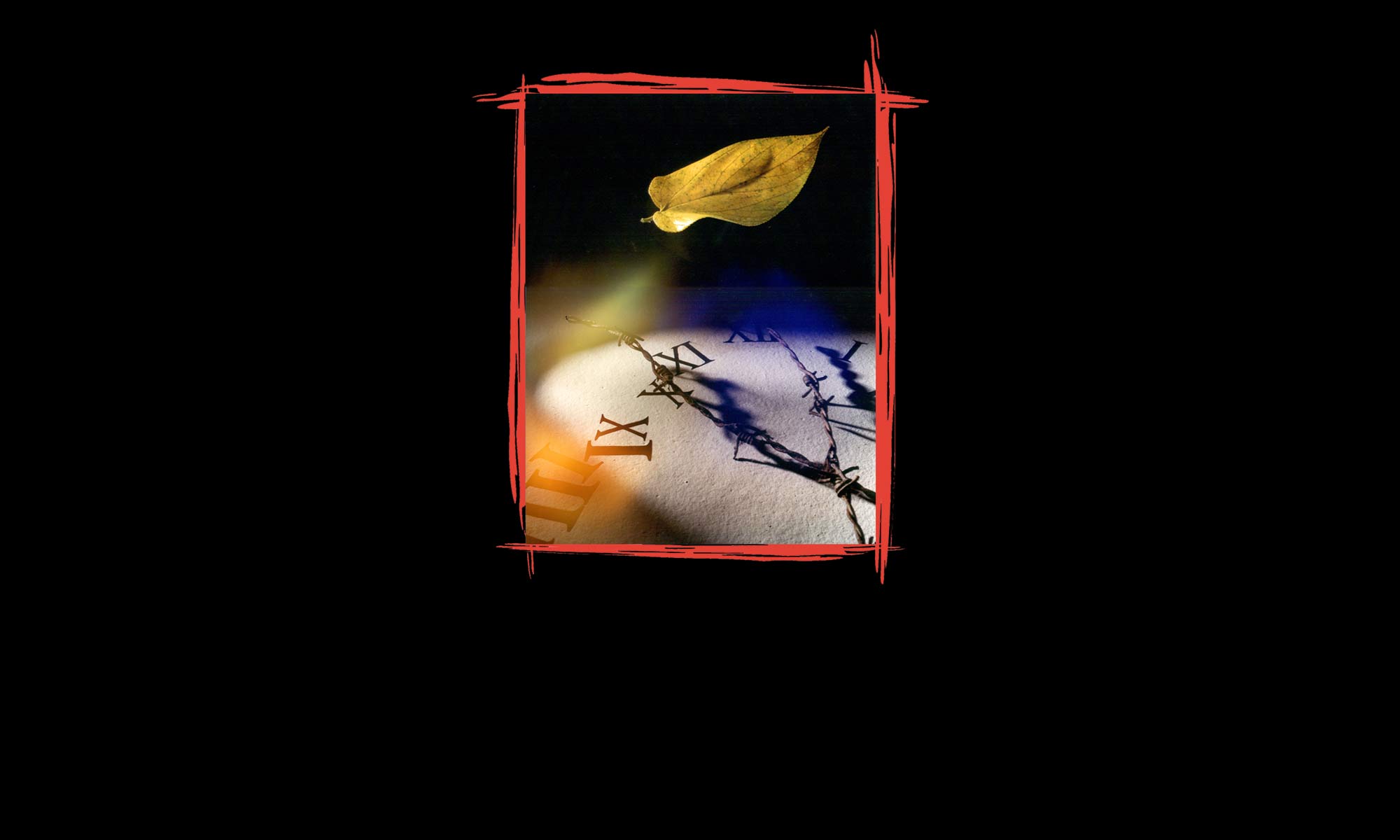
“Phoenix Graveyard 2” is a modern artwork that visually encapsulates the themes of death, decay, and rebirth. It features layered imagery of fallen feathers, crumbling structures, and a rising phoenix, symbolizing the perpetual cycle of destruction and renewal. The visual composition evokes a sense of ongoing transition, resonating with spiritual notions of rebirth.
How the Artwork Symbolizes the Ongoing Cycle of Death, Decay, and Rebirth
The artwork’s layered symbolism demonstrates that decay is not an end but a precursor to renewal. The fragments of the past—represented by broken elements—serve as the foundation for new growth, illustrating that every ending contains the seed of a new beginning. This aligns with the broader theme: modern art can serve as a mirror to timeless spiritual principles.
Connecting the Artwork to the Broader Theme: Modern Cycles of Spiritual Renewal
By engaging with such visual representations, viewers are reminded that cycles of destruction and rebirth are integral to personal and collective evolution. The concept that renewal often emerges from chaos is central to many spiritual paths, and artworks like “Phoenix Graveyard 2” make these abstract ideas tangible and relatable. To explore more about how contemporary imagery reflects these timeless cycles, you might find this pg-2 particularly insightful.
Non-Obvious Dimensions of Repetition and Renewal
The Psychological Impact of Repetitive Practices on Belief Systems and Identity
Repetition reinforces neural pathways, strengthening beliefs and shaping identity over time. Psychologists have found that habitual routines can increase resilience against stress and foster a sense of mastery. For example, daily journaling about gratitude rewires the brain to focus on positive aspects, contributing to spiritual well-being.
The Role of Failure and Destruction in the Cycle of Renewal
Failure, setbacks, and even loss are often catalysts for growth. In many traditions, destruction clears the way for new opportunities, much like a forest fire makes room for new growth. Recognizing this helps individuals develop a healthier perspective on adversity, understanding it as an essential component of spiritual evolution.
Cultural Variations in Understanding and Embracing Cycles of Change
Different cultures interpret cycles uniquely. For instance, the Mayan calendar emphasizes cyclical time, predicting renewal periods aligned with cosmic events. Indigenous traditions often see death as a transition to another form of existence, illustrating a collective embrace of continuous transformation.
Practical Applications: Harnessing Repetition for Personal Growth
Developing Mindful Routines That Facilitate Spiritual Renewal
Creating daily rituals—such as morning meditation, journaling, or mindful breathing—can anchor your spiritual practice. These routines act as intentional repetitions that cultivate presence and resilience over time. For example, setting aside five minutes each morning for focused breathing can dramatically shift your mental landscape.
Recognizing and Embracing Inevitable Cycles of Change in Everyday Life
Understanding that change is natural and unavoidable reduces resistance. You can observe cycles in personal relationships, career transitions, and emotional states. Embracing these patterns allows for smoother adaptation and growth, much like a gardener tends to seasonal planting cycles.
Creating Personal Rituals Inspired by Symbolic Imagery
Drawing inspiration from symbols like the phoenix or the scythe can help craft rituals that mark transitions. For instance, writing down what you wish to release and symbolically burning it can mirror the phoenix’s cycle of destruction and rebirth, fostering renewal and clarity.
Conclusion: Embracing the Eternal Cycle of Rebirth
Repetition and cycles of renewal are not merely abstract concepts but vital processes that underpin spiritual growth. Recognizing and working with these patterns enables us to navigate life’s inevitable changes with grace and resilience. As the timeless myth of the phoenix reminds us, destruction often precedes rebirth, and embracing this can lead to profound spiritual fulfillment.
“Understanding the cycles of death and rebirth transforms resistance into acceptance, paving the way for authentic growth.”
By integrating repetitive practices and embracing natural cycles, we align ourselves with the universal rhythm of life. These principles, reflected across cultures and expressed through modern art such as pg-2, serve as powerful tools for personal and collective spiritual evolution.